01 / Warehousing
Storage and order preparation
Discover the services, transport networks and logistics solutions that help packages, products and commercial goods move from one location to another. From local parcel delivery to international freight and warehouse distribution, explore the different parts of the delivery journey in one place.


Delivery involves much more than transporting a package. It includes collecting goods, sorting orders, storing inventory, selecting transport routes, handling shipments and coordinating the final handover. Different delivery methods serve different needs, distances, package sizes and delivery deadlines.

Parcel delivery moves individual packages between senders, businesses, collection points and recipients. It is commonly used for online shopping, documents, gifts, personal items and smaller business orders.
Courier services focus on collecting and transporting shipments to their intended recipients. Express options may offer shorter transit times, priority handling or scheduled delivery windows, depending on the provider.

Road freight moves goods by truck or other road vehicles. It supports regional distribution, store replenishment, industrial deliveries and the movement of goods between warehouses, ports and final destinations.
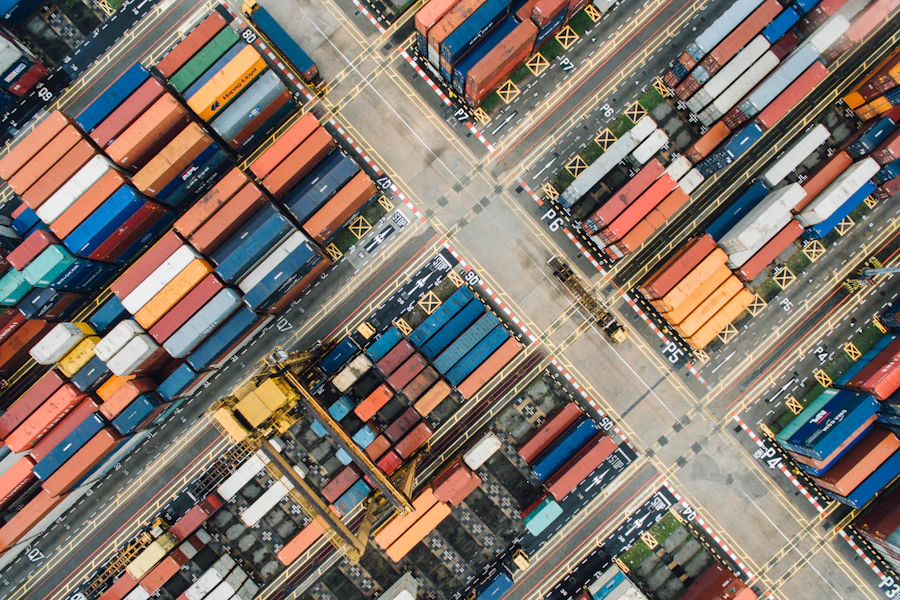
Sea freight is widely used to move large quantities of goods between countries. Containers help protect cargo and make it easier to transfer shipments between ships, trucks, trains and distribution facilities.

Air cargo is useful for shipments where speed, distance or the nature of the goods makes air transport suitable. International air freight may involve export documentation, customs procedures and destination handling.
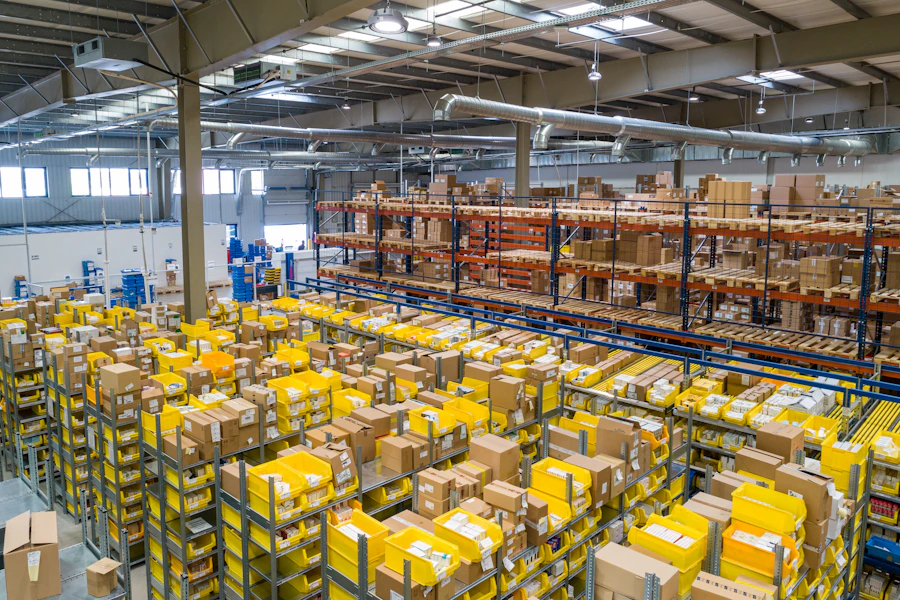
Warehousing provides space to receive, organise and store inventory. Fulfilment operations may include picking products, packing orders, preparing shipping labels and handing shipments to delivery partners.

Proper preparation helps reduce avoidable damage, confusion and delays. Before a package leaves its collection point, the contents, packaging, destination details and applicable handling requirements should be checked.
Businesses can establish clear packing procedures to help ensure products are ready for transport and recipients can identify their shipments when they arrive.
International shipping connects manufacturers, sellers, distributors and customers in different countries. Depending on the shipment, the process can involve several transport providers, export documentation, customs clearance, cargo handling and local delivery.

Cross-border shipments can require invoices, packing lists, transport documents, declarations and other paperwork. Requirements vary by country, product and shipping method.
Businesses should confirm applicable regulations and documentation requirements with qualified shipping and customs professionals before dispatch.

Freight forwarders coordinate the movement of goods using suitable transport services. Depending on the arrangement, they may help organise carriers, shipment documents, cargo handling and customs-related processes.
The right arrangement depends on cargo dimensions, weight, destination, timing, budget and any special handling needs.
Distribution hubs help consolidate, sort and redirect goods. They can connect international freight with regional transport providers and local delivery services.
Well-organised distribution can make inventory easier to manage and help businesses coordinate deliveries across multiple locations.
Last-mile delivery refers to the final stage of a shipment's journey, when goods move from a local depot, shop or distribution centre to the recipient. Although this stage may cover a shorter distance than international freight, it requires careful planning and coordination.
Delivery teams may need to organise daily routes, communicate estimated arrival times, manage failed delivery attempts and confirm successful handovers.
Every shipment has its own requirements, but many delivery journeys follow a similar sequence. Understanding the main stages helps customers and businesses know what information to prepare and what to expect along the way.
The sender prepares the shipment, confirms its destination and arranges collection or drop-off with the selected provider.
The package is processed and directed towards an appropriate transport route, distribution centre or freight facility.
The shipment travels by road, air, sea or a combination of transport methods, depending on the delivery arrangement.
The shipment reaches its destination and is handed over according to the delivery provider's procedures.
Supply chains connect the businesses and facilities responsible for producing, storing, transporting and delivering products. Warehouses, distribution centres, carriers and inventory teams work together to help products reach shops, businesses and customers.
Inventory management helps businesses track incoming goods, available stock, outgoing orders and items that need replenishment. Accurate records can support better planning.

E-commerce fulfilment covers the operational steps required to process online orders, prepare products for dispatch, organise shipping and coordinate customer deliveries.
Supply chain coordination involves sharing information between suppliers, warehouses, transport providers and retailers to organise the movement of products.
Delivery networks depend on a combination of transport vehicles, cargo facilities, organised storage and distribution operations. These different parts help connect the point of origin with the final destination.

The delivery sector includes local couriers, international freight forwarders, warehouse operators, shipping companies and transport technology providers. Understanding their different roles can help customers and businesses identify the type of service they need.
Local courier services focus on moving parcels, documents and smaller shipments within a city, region or country. Service availability, delivery speed and coverage depend on the provider.
Explore logistics →
Freight providers arrange transportation for commercial goods across regional and international routes. Services may include sea freight, air freight, road freight and shipment coordination.
Explore freight →
Warehousing and fulfilment providers can help businesses store inventory, prepare orders and coordinate dispatch to shops, customers and other business locations.
Explore brands →Brand categories are provided for informational purposes. Listing a category does not confirm a partnership or guarantee the availability of a particular service.
EliteWanderly also explores the places, cities and transport connections that bring people together. Discover destinations for city breaks, coastal holidays, cultural experiences and journeys across borders.
Explore destinations, discover transport infrastructure and learn how ports, airports and ground networks connect travellers, businesses and goods across the world.
Explore logistics guide ↗An illustrative concept for trip inspiration, planning tools and local experiences.
Explore feature ↗An illustrative brand concept focused on cargo movement and supply-chain services.
Explore feature ↗An illustrative concept for local transportation and mobility information.
Explore feature ↗These names are illustrative concepts, not verified businesses or confirmed partnerships.

Start with the experience you want, then let the destination follow.

Clear information, reliable service and a promise that matches the experience.

Understand the broad stages that connect a port to a final delivery destination.


